
Direct conversation with the carrier
You're connected with a contractor who provides auto transport. You discuss schedule options, pickup location, and delivery details directly with them.
Serving Bellflower, California & surrounding areas
Open daily, 6 AM–10 PM
Auto transport in Lynwood
One call connects you with a local auto transport contractor for car shipping and vehicle moves in the Lynwood area.
CALL NOW: (424) 484-8136
Lynwood vehicle moves
Auto Transport Lynwood usually means arranging a professional carrier to move a vehicle between addresses, cities, or states. The contractor you're connected with can handle common needs like relocating a daily driver, moving a second car to a new home, transporting a vehicle bought from a dealer or private seller, or shipping a car to and from college or military changes of station.
This is a referral service. When you call Omega Auto Transport, you get connected with a local contractor who handles car transport in the Lynwood area. You talk with the contractor directly and decide what happens next. If you're comparing other home services at the same time, local home contractors serving Bellflower can be a useful starting point.
Because Lynwood sits close to major corridors like I-710, I-105, and I-91, carriers often plan routes that pass through this part of southeast Los Angeles County. That can affect pickup and delivery logistics, like whether a large transport truck can access your street or if a nearby wider cross street or parking lot is a better handoff point.
Transport expectations
You're connected with a contractor who provides auto transport. You discuss schedule options, pickup location, and delivery details directly with them.
Many moves use open transport. Enclosed transport is often used for higher-value, low-clearance, or special-finish vehicles when extra protection is preferred.
Some streets and driveways are not practical for a full-size car carrier. A nearby meet point can make loading safer and simpler when access is tight.
Contractors can arrange shipping for one car or multiple vehicles, which matters for households that are moving more than one vehicle at once.
If a vehicle doesn't start or roll, the contractor can explain what equipment is needed and what access is required for loading.
Four practical stages
Step 1 of 4
You and the contractor talk through the origin, destination, and whether open or enclosed transport fits the vehicle and your priorities.
Step 2 of 4
You coordinate the pickup window, contact person, and the most workable loading spot. For dense streets near major arterials, a nearby meet point may be suggested.
Step 3 of 4
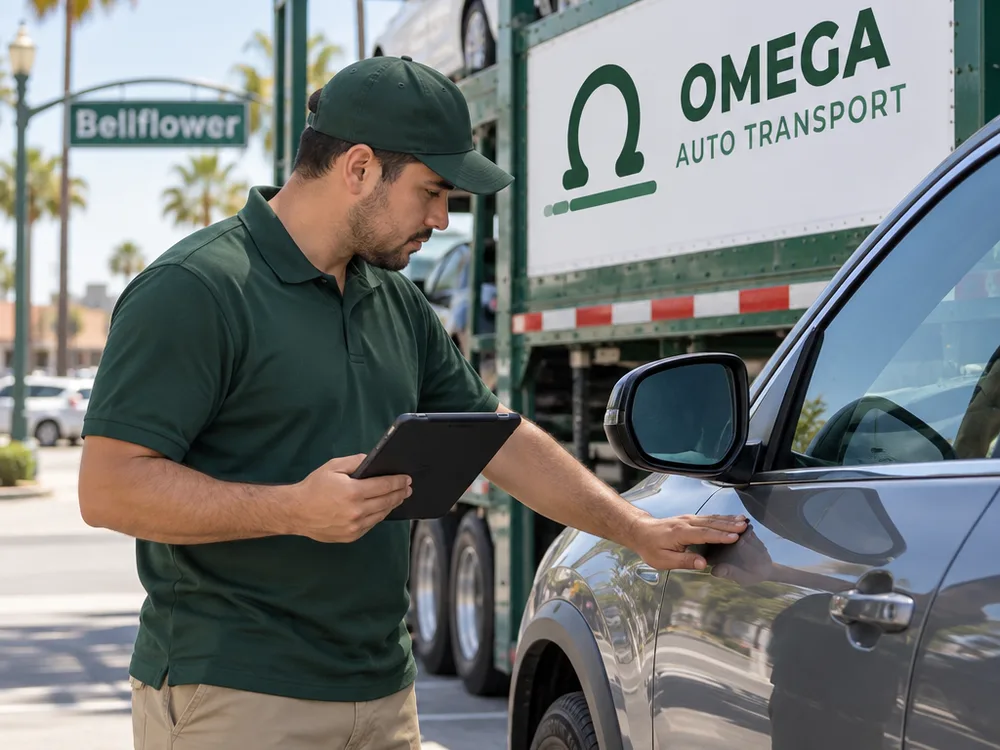
Before loading, the vehicle is typically documented for condition and any existing marks so everyone is looking at the same baseline.
Step 4 of 4
At delivery, the vehicle is unloaded and you verify it matches the documented condition before completing the handoff with the driver.
Carrier choices and access
For many everyday vehicles, open transport is the standard approach: the car rides on a multi-vehicle trailer exposed to normal road and weather conditions. Enclosed transport adds an extra layer of protection from road debris and the elements, and it can be a better fit for vehicles with low ground clearance, specialty paint, classic cars, or cars that you want kept out of public view.
A good contractor conversation focuses on practical constraints, not buzzwords. Mention anything that affects loading and clearance, such as a lowered suspension, a front splitter, wide wheels, or if the vehicle can only be driven at a very low speed. Also consider where the car will be picked up. In parts of Lynwood with narrower residential streets and frequent street parking, maneuvering a long trailer can be the limiting factor more than the miles themselves.
If you're trying to time a household move, keep in mind that vehicle shipping is its own schedule with routing, driver hours, and the order vehicles are loaded and unloaded on the trailer. The contractor can explain how that sequencing affects delivery planning.
If you need Auto Transport Lynwood arranged without chasing multiple carriers, call and get connected with a local contractor who handles vehicle shipping in your area.
CALL NOW: (424) 484-8136Equipment and securement
Practical answers
Plan to remove personal items, leave only what the contractor says is allowed, and make sure the vehicle can be accessed and safely loaded. The contractor will also tell you whether they prefer a certain fuel level and how to handle toll tags, alarms, and spare keys.
It depends on street width, parking, turning radius, and whether there are low branches or tight corners near the pickup point. If access is limited, the contractor may propose meeting at a nearby wider street or open lot to load safely.
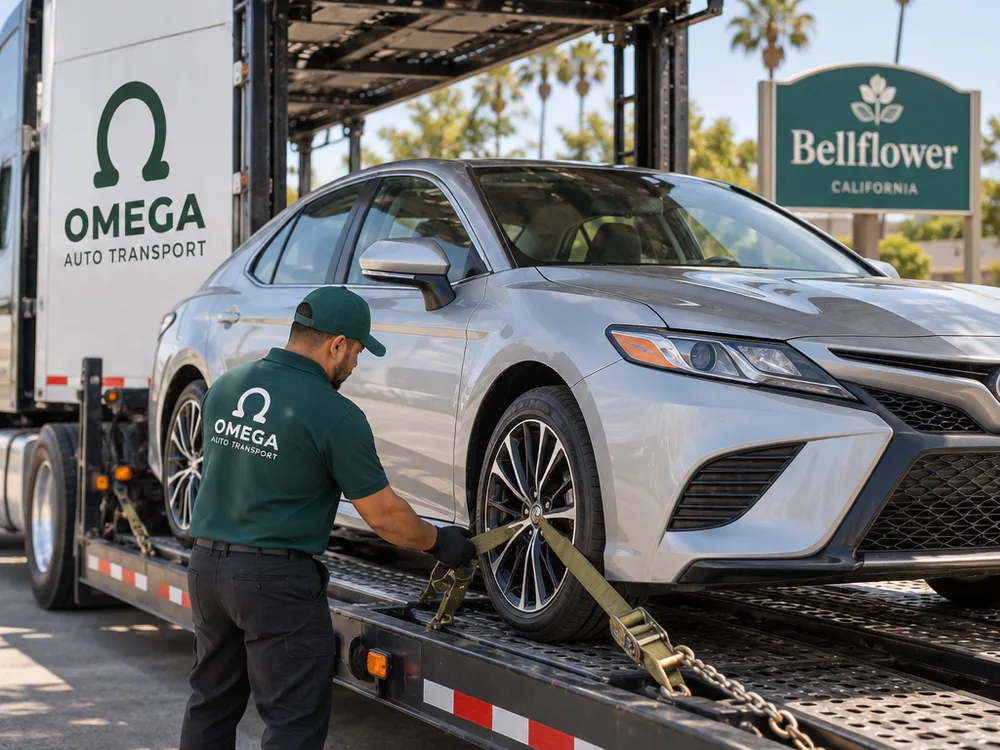
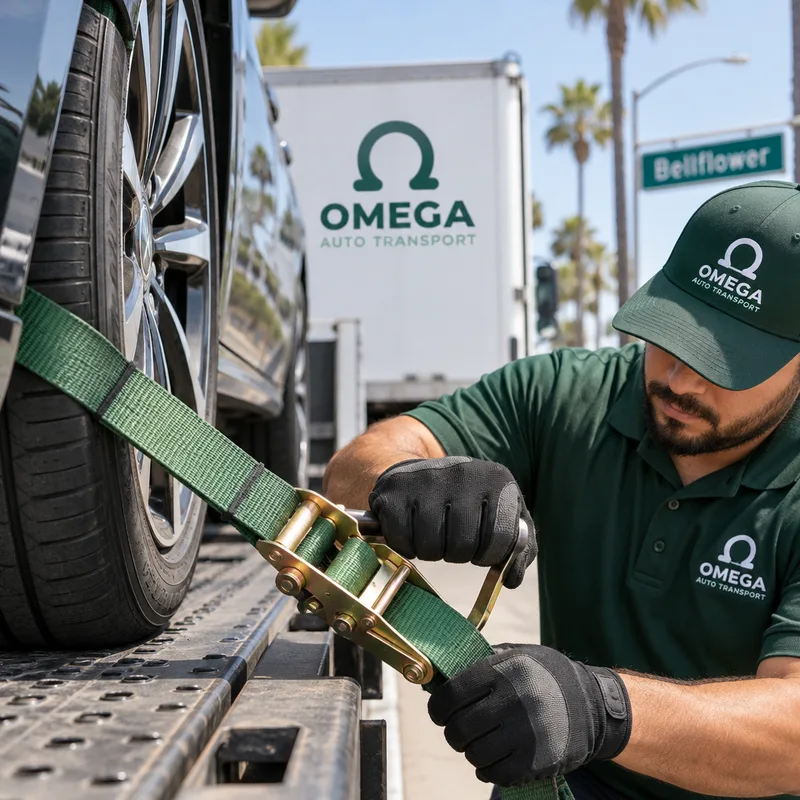
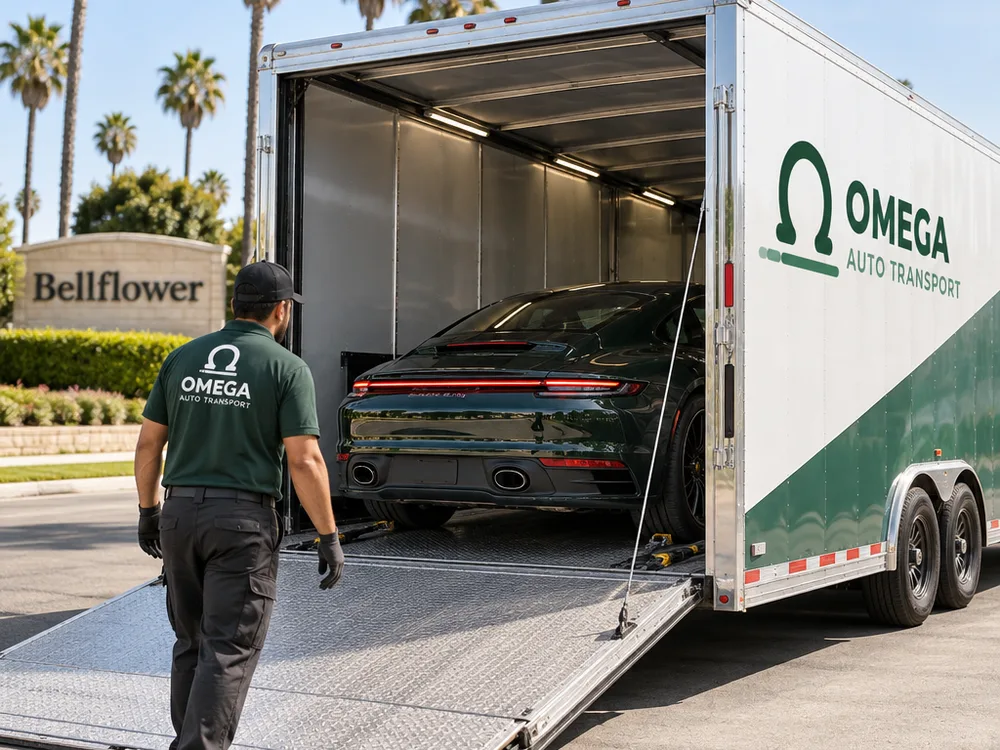
Vehicles are typically secured with wheel straps or tire nets and additional safety measures depending on the trailer type. The driver positions the car on the deck and uses tie-down points designed for transport so the vehicle stays stable over bumps and braking.
Yes, but it needs to be planned because extra equipment may be required for loading and unloading. Tell the contractor whether it rolls, steers, and brakes, and whether the pickup and delivery locations have space for a winch-assisted load.
Yes, condition is usually documented at pickup and checked again at delivery. It helps to have the car reasonably clean so existing scratches, dings, or chips are easy to see during the walkaround.
You call, enter your ZIP code, and you are connected directly with a local auto transport contractor who serves that area. From there, you speak with the contractor and decide the pickup plan, transport type, and timing.
Lynwood auto transport
Call and get connected with a local auto transport contractor. You'll talk with them directly about open vs. enclosed shipping, pickup access, and delivery planning.
CALL NOW: (424) 484-8136